
A Home That Breathes: Eco-Friendly Home Decor Materials

Chosen theme: Eco-Friendly Home Decor Materials. Step into a space where beauty, health, and conscience live together. From natural fibers to plant-based finishes, we’ll show you how small material choices create big, lasting change. Share your questions, subscribe for weekly material spotlights, and tell us which eco-friendly swap you’ll try first.

Why Eco-Friendly Materials Change Everything

Healthier air, calmer mornings

Low- and zero-VOC paints, natural glues, and solid wood reduce the chemical soup that lingers indoors. When I switched nursery paint and a rug pad, my early headaches faded. Comment if you’ve noticed a similar shift at home.

Durability that tells stories

Reclaimed oak shelves and cork floors age beautifully instead of wearing out. The patina becomes your home’s diary—proof that buying once beats buying often. Follow us for maintenance tips that extend life and preserve character without harsh products.

Ethics you can feel

Fair-trade textiles, FSC-certified wood, and responsibly harvested bamboo align decor with values. Knowing who made your throw or table builds pride and connection. Share a maker you love, and we’ll spotlight them in an upcoming eco-material roundup.

Natural Fibers That Feel Like Home

Flax linen filters light with a gentle glow, while organic cotton avoids pesticide residues. In summer, our living room cooled naturally after swapping heavy synthetics for lightweight linen panels. Tell us your window worries, and we’ll suggest fiber matches.

Natural Fibers That Feel Like Home

Wool resists stains naturally and springs back; jute brings earthy texture at a fair cost. A reader replaced a synthetic shag with braided jute and noticed fewer dust bunnies. Share rug sizes and rooms, and we’ll help you choose responsibly.

Natural Fibers That Feel Like Home

Handwoven rattan chairs and seagrass baskets add structure without heaviness. Their subtle variations make spaces feel collected, not cataloged. Post a photo of a corner that needs warmth, and we’ll brainstorm fiber accents that fit your style and budget.
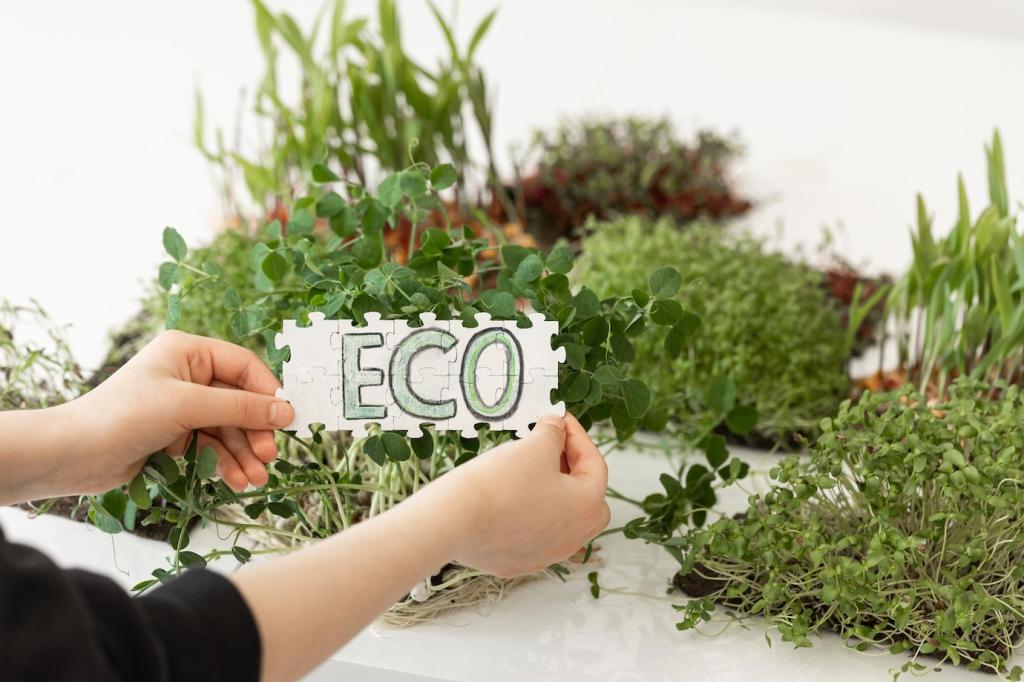
Wood, Cork, and Bamboo: Renewable Surfaces

Properly harvested bamboo regrows quickly and offers clean lines for shelves, trays, or flooring. My neighbor Aya replaced a chipping veneer desk with a bamboo top, and the home office suddenly felt calm. Comment for finish recommendations that won’t yellow.

Wood, Cork, and Bamboo: Renewable Surfaces

Cork is bark gently stripped from trees that keep thriving. It quiets footsteps, insulates, and resists mold. We used cork underlayment to tame echo in a hallway. Ask us about tile versus planks, and we’ll share pros and cons.

Zero-VOC and mineral paints

Mineral and lime-based formulas offer depth without harsh fumes. When we painted a small den with zero-VOC clay paint, we skipped the windows-wide-open headache. Comment with your color dilemmas, and we’ll share undertone-friendly, breathable options.

Plant-based oils and waxes

Linseed, tung, and walnut oils nourish wood, while beeswax adds gentle sheen. We revived a thrifted maple table in an afternoon and kept dinner plans intact. Ask which oil suits your species, and we’ll tailor a simple, safe routine.

Clay and lime plasters for texture

Natural plasters regulate humidity and soften light with velvety depth. A single accent wall transformed our entryway from flat to welcoming. Share your wall condition and style vibe; we’ll suggest mixes and tools that minimize mess and dust.

Upcycling and Recycled Materials in Style

Recycled glass with honest sparkle

Countertops and tiles made from recycled glass shimmer without gaudy glitter. A reader’s blue-tinted backsplash, sourced from bottle waste, became a conversation starter. Post your kitchen palette, and we’ll suggest glass mixes that complement rather than compete.

Secondhand finds, renewed with care

Solid-wood dressers and chairs rescue forests when refinished with plant-based products. We swapped knobs, patched veneer, and oiled a mid-century piece into heirloom status. Share your marketplace treasure, and we’ll map an eco-friendly refresh plan step by step.

Aluminum and steel with recycled content

Metals are infinitely recyclable and ideal for planters, legs, and frames. Choose powder coats with low emissions and verify recycled content percentages. Tell us your indoor-outdoor needs, and we’ll recommend finishes that endure without harsh solvents.

Mycelium: grown, not manufactured

Fungal mycelium can be grown into lampshades, acoustic panels, and packaging. It composts at end-of-life and loves minimal energy. If you’ve tested mycelium decor, drop a note—we’d love to feature your experience and supplier recommendations.

Hemp textiles and hemp-lime accents

Hemp fibers create sturdy fabrics and breathable panels with a relaxed, organic look. A hemp throw softened our sofa without shedding. Share your fabric priorities—feel, durability, or price—and we’ll match hemp blends that meet real-life needs.

Sourcing Smart: Labels, Local, and Questions to Ask

Look for FSC for wood, GOTS and OEKO-TEX for textiles, GREENGUARD Gold for low emissions, and Cradle to Cradle for circular design. Tell us which labels confuse you, and we’ll publish a pocket guide with plain-language explanations.

Sourcing Smart: Labels, Local, and Questions to Ask

Buying from regional mills, sawyers, and weavers reduces transport emissions and strengthens communities. Our porch bench, made by a nearby workshop, arrived with scrap offcuts for future repairs. Share your city, and we’ll compile local eco-friendly sources.
Aonesamrapper
Privacy Overview

This website uses cookies so that we can provide you with the best user experience possible. Cookie information is stored in your browser and performs functions such as recognising you when you return to our website and helping our team to understand which sections of the website you find most interesting and useful.